
The desire for fluid, adaptable, and light-filled spaces continues to dominate residential design. At the forefront of this movement is a functional element that has evolved into a key stylistic feature: the internal bifold door. No longer confined to patios or exterior walls, these versatile systems are redefining room divisions and enabling dynamic interior layouts. The latest trends in interior design are not just about aesthetics in isolation; they are increasingly about how spaces connect, transform, and serve multiple purposes throughout the day.
This shift demands solutions that are as beautiful as they are practical. Custom internal bifold doors answer this call perfectly, offering a seamless blend of architectural innovation and decorative appeal. They provide the ultimate tool for homeowners to curate their environment, balancing the need for open, social areas with the option for privacy and defined zones. The following ideas showcase how these doors are being integrated into contemporary homes, moving beyond mere room separation to become integral components of a cohesive design narrative.
Blurring Boundaries in Open-Plan Living
The classic open-plan layout remains popular, but the trend is maturing. The focus is now on creating “broken-plan” or “zonal” spaces—areas that feel connected but can be subtly defined for different activities or moods. This is where internal bifold doors excel.
Creating Flexible Room Dividers
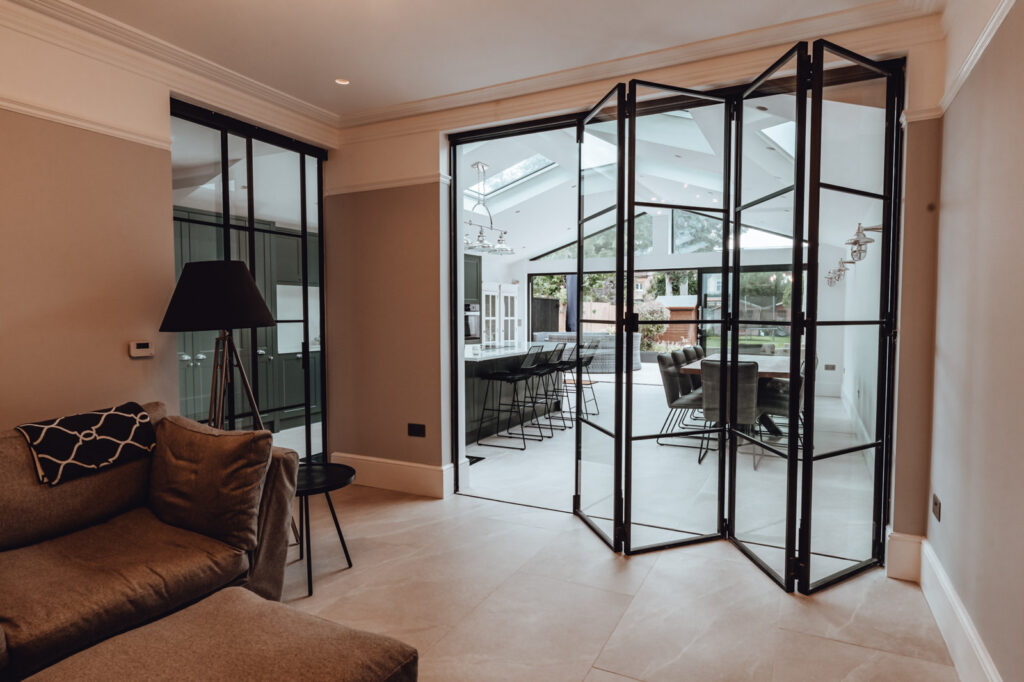
Imagine a spacious kitchen-diner-living area that needs to accommodate a busy family breakfast, a focused home office session, and a relaxed evening of entertaining. A single, large room often fails at all three. Installing a set of Internal Bifold Doors between the kitchen and living space allows you to contain cooking smells and noise during the day, then fold them completely away to create one large entertaining zone for guests. The ability to modulate space in this way is a cornerstone of modern, adaptable living.
Enhancing Sightlines and Light Flow
A primary goal in contemporary design is the maximization of natural light. Traditional solid walls can darken adjoining rooms. Full-height glazed bifold doors, even when closed, allow light to permeate deep into the home’s interior. This creates a brighter, more uplifting atmosphere and enhances the sense of spaciousness, making even smaller homes feel larger and more connected to the light available.
Material and Finish Innovations
The aesthetic of bifold doors has expanded dramatically. The trend is towards materials that either create a bold statement or achieve a perfectly seamless integration.
Frame Materials: Slimline aluminum frames continue to be a favorite for their strength and minimalist profile, allowing for maximum glass area. For a warmer, organic feel, timber-framed bifolds are surging in popularity. They add texture and natural beauty, particularly in Scandinavian, rustic, or modern farmhouse schemes. For an industrial edge, steel-framed systems offer unmatched robustness and a distinctive character.
Integrated Finishes: The most sophisticated applications involve matching the door finish to other elements in the room. Painting the door frames the same color as the walls or cabinetry causes them to visually recede, making the glass panels appear to float. Alternatively, using a contrasting finish—like black frames against white walls—turns the doors into a deliberate graphic element, framing the view beyond.
Design-Led Functional Applications
Trending interior design ideas featuring these versatile doors extend beyond living areas. Creative integration is key.
Home Office and Library Solutions
With remote work a permanent fixture for many, the home office must be both functional and discreet. A bifold door system can conceal a full office setup within a living room or bedroom alcove. When work is done, the doors close, hiding the professional clutter and restoring domestic calm. Similarly, they can beautifully front a library or media wall, providing access and display while protecting contents from dust.
Grand Entranceways and Gallery Spaces
For homes with larger footprints, a pair of internal bifolding doors can create a dramatic entry sequence into a primary suite or main living area. This introduces a sense of ceremony and scale often missing in modern builds. In loft-style apartments, they are perfect for separating a sleeping area from the main living space without compromising the industrial, open aesthetic.
Integrating with Architectural Styles
The versatility of custom bifolds allows them to complement, rather than conflict with, various architectural styles.
In modern minimalist homes, they support the “less is more” ethos by providing function without visual clutter, especially with frameless glass options. For traditional or period properties, they can be a surprisingly sympathetic addition. Choosing doors with timber frames and decorative glazing bars can match original features, offering a modern convenience that respects the home’s heritage. The key is in the customization—selecting the right grid pattern, handle style, and finish to ensure cohesion.
Smart Integration and Sustainability
Today’s interior design trends are inextricably linked with technology and environmental consciousness. Modern Internal Bifolding Doors can be integrated with home automation systems, allowing them to be operated via smartphone or voice command. This elevates convenience and supports aging-in-place designs.
From a sustainability perspective, their role in passive design is significant. By facilitating superior cross-ventilation, they can reduce reliance on air conditioning in warmer months. Furthermore, by allowing sunlight to penetrate deeper into the home, they can decrease the need for artificial lighting during the day, contributing to lower energy consumption. The use of double or even triple glazing in internal models also aids in thermal and acoustic separation between zones, improving overall comfort.
Frequently Asked Questions
Can internal bifold doors provide sound insulation?
Yes, they can offer significant acoustic separation, especially when specified with double-glazed panels and high-quality seals. While not as soundproof as a solid wall, they dramatically reduce noise transfer between rooms like home cinemas, music rooms, or busy kitchens, making them a practical choice for managing household acoustics.
Are they suitable for small spaces?
Absolutely. In fact, they can be ideal for small spaces. Because they fold back compactly against a wall or into a pocket, they take up far less usable floor and wall space than a swinging door. This preserves precious square footage and avoids the spatial conflict of a door swing in a tight layout.
What are the main maintenance considerations?
Maintenance is generally low. The primary task is keeping the tracks clean and free of debris to ensure smooth operation. Depending on the frame material, occasional wiping down and checking of mechanical components like hinges and locks is recommended. Always follow the manufacturer’s specific care guidelines.
Can I use them to replace an existing wall?
In many cases, yes. This is a common renovation project that can transform a home’s layout. It is crucial to consult with a structural engineer or qualified installer first, as the existing wall may be load-bearing. They can design a suitable lintel or support system to safely accommodate the new opening and door installation.
How do I choose between different glazing options?
Consider privacy and light. Clear glass maximizes light and connection. For areas like bathrooms or private studies, consider opaque options like frosted, reeded, or tinted glass. Decorative glazing with patterns can also serve as a design feature. Your choice should balance the functional need for visibility or privacy with your aesthetic goals.
Are custom sizes available?
Customization is one of the greatest advantages of opting for bifold doors. Reputable manufacturers offer made-to-measure services, allowing you to fit virtually any opening size or shape, including unusually high or wide apertures. This ensures a perfect fit and a polished, integrated final look.
Conclusion
The evolution of internal bifold doors from purely functional dividers to central design elements reflects a broader shift in how we live. Our homes are no longer static collections of rooms but dynamic environments that must adapt to our multifaceted lives. The trending interior design ideas featuring these systems demonstrate a focus on flexibility, light, and intelligent space management.
Ultimately, investing in custom internal bifold doors is about investing in the quality of your daily experience. They provide the architectural framework for a home that can be both expansive and intimate, social and private, all according to need. As material and technological innovations continue, their role in crafting responsive, beautiful, and sustainable interiors will only become more profound.