

Munich, the capital of Bavaria, is synonymous with beer. From its sprawling beer gardens to its historic breweries, the city offers an unparalleled experience for anyone interested in the golden brew. But beyond the simple act of enjoying a pint, there’s a deep-rooted history and tradition that defines Bavarian beer. Central to this is the Reinheitsgebot, Germany’s ancient beer purity law, which has shaped brewing for over 500 years. Munich Bavarian Beer Tour provides an immersive way to understand this legacy. This article explores the significance of the Reinheitsgebot and how it intertwines with Munich’s vibrant local ale culture, offering insights into what makes Bavarian beer so unique.
Understanding the Reinheitsgebot is key to appreciating Bavarian beer. This decree, originating in Ingolstadt in 1516, stipulated that beer could only be brewed using water, barley, and hops. Yeast, though unknown at the time, was later incorporated as an essential ingredient. This strict adherence to natural components not only ensured quality but also fostered distinct regional brewing styles. A Munich Bavarian beer tour often highlights how this law continues to influence modern brewing practices, making the city a living museum of brewing history.
The journey of discovering Reinheitsgebot and local ale culture in Munich is more than just tasting beer; it’s about connecting with centuries of tradition. It involves visiting historic breweries, learning about the brewing process, and experiencing the communal spirit of Munich’s beer halls. This exploration reveals how a single purity law became a cornerstone of German identity and a global benchmark for quality brewing.
The Reinheitsgebot: A Legacy of Purity
The Reinheitsgebot, or German Beer Purity Law, stands as one of the oldest food regulations still in effect globally. Enacted by Duke Wilhelm IV of Bavaria in 1516, it initially aimed to prevent brewers from using costly wheat and rye, reserving these grains for bakers, and to ensure beer quality by prohibiting less desirable ingredients like soot, roots, and even hallucinogenic herbs. Its core mandate was simple: beer could only contain water, barley malt, and hops. While yeast’s role in fermentation was discovered later by Louis Pasteur, it was retroactively accepted as an integral component.
This law had profound effects on Bavarian brewing. By limiting ingredients, it forced brewers to master their craft, focusing on technique and the quality of their chosen raw materials. It led to the development of specific brewing styles that maximized the flavors achievable from these few components. For example, the distinct character of Bavarian lagers and wheat beers (which were granted an exception to the barley-only rule for specific breweries) can be directly attributed to the constraints and creativity fostered by the Reinheitsgebot. Its enduring presence means that even today, many German beers adhere strictly to these principles, upholding a tradition of natural brewing that resonates with consumers worldwide.
Munich’s Brewing Heritage: From Monasteries to Megabreweries
Munich’s brewing history stretches back over a thousand years, with monasteries playing a crucial role in its early development. Monks brewed beer not only for their own consumption but also as a source of sustenance and income. These monastic breweries were often at the forefront of brewing innovation, refining techniques and developing recipes that would become the foundation of Bavarian beer culture. The Weihenstephan Brewery, founded in 1040, is often cited as the world’s oldest continually operating brewery, a testament to this enduring legacy.
As the city grew, so did its brewing industry. By the Middle Ages, brewing was a significant trade, and Munich’s rulers actively promoted its development, recognizing its economic and cultural importance. The establishment of ducal breweries, such as Hofbräuhaus, further solidified Munich’s reputation as a brewing hub. The 19th and 20th centuries saw the rise of large commercial breweries, many of which are still prominent today, producing vast quantities of beer while often maintaining traditional brewing methods in accordance with the Reinheitsgebot. These breweries, like Paulaner, Augustiner, and Hacker-Pschorr, are integral to the city’s identity and continue to shape its beer landscape.
The Role of Beer Gardens
Munich’s beer gardens are more than just places to drink; they are fundamental to the city’s social fabric. Originating in the 19th century when brewers stored their beer in cool cellars shaded by chestnut trees, these outdoor establishments evolved into popular gathering spots. They embody the Bavarian concept of “Gemütlichkeit” – a sense of coziness, friendliness, and good cheer. Here, locals and tourists alike share long wooden tables, enjoying traditional food like pretzels and Weißwurst alongside their steins of beer. The relaxed, communal atmosphere of a beer garden is a quintessential part of experiencing Munich’s local ale culture, offering a direct connection to centuries of social tradition centered around beer.
Exploring Local Ale Culture: Beyond the Pint
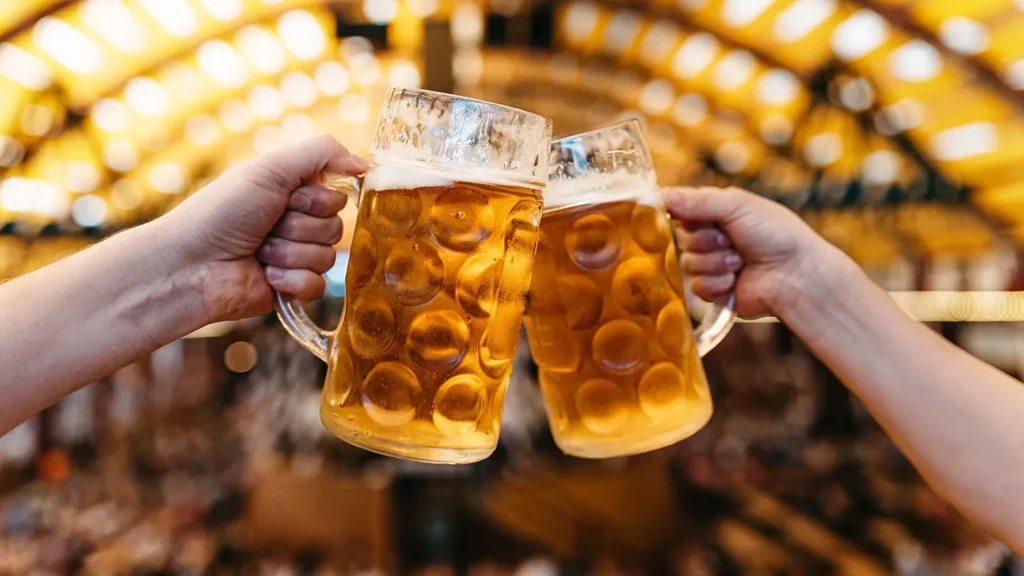
A genuine immersion in Munich’s local ale culture extends beyond merely tasting different beers. It involves understanding the social rituals, the culinary pairings, and the historical narratives that collectively define the experience. For instance, the way beer is served and consumed in Munich beer halls is a ritual in itself. Large, one-liter steins are common, encouraging slow enjoyment and communal sharing. The clinking of glasses and hearty toasts are an integral part of the atmosphere, fostering a sense of camaraderie among patrons.
Food plays an equally important role. Traditional Bavarian dishes such as Schweinshaxe (pork knuckle), Obatzda (cheese spread), and various sausages are designed to complement the rich flavors of local beers. These pairings are not accidental but have evolved over centuries, creating a harmonious culinary experience. Learning about these traditions provides a deeper appreciation for the interplay between beer, food, and social interaction in Bavarian culture. Engaging with these aspects transforms a simple beer tasting into a rich cultural exploration. A well-guided Munich Bavarian Beer Tour can illuminate these nuances, offering insights that might otherwise be missed.
Seasonal Beer Traditions
Munich’s ale culture is also marked by distinct seasonal beer traditions. Oktoberfest, the world’s largest beer festival, is perhaps the most famous, featuring special Märzen-style beers brewed specifically for the occasion. But other seasons have their own unique brews. Bock beer, a stronger lager, traditionally appears in spring, often associated with fasting periods. Weissbier (wheat beer) is a popular choice in summer, known for its refreshing qualities, while darker, more robust beers gain popularity during the colder months. These seasonal variations reflect both historical brewing practices and the natural agricultural cycle, offering a dynamic and evolving beer calendar that keeps the local ale culture vibrant throughout the year.
Frequently Asked Questions
What exactly is the Reinheitsgebot?
The Reinheitsgebot is the German Beer Purity Law, enacted in Bavaria in 1516. It dictates that beer can only be brewed using water, barley malt, hops, and yeast. This law ensures that German beers are made from natural ingredients, maintaining a high standard of quality and purity.
Why is Munich considered a beer capital?
Munich’s status as a beer capital stems from its long and rich brewing history, dating back over a thousand years. It is home to several historic breweries, numerous traditional beer gardens, and hosts Oktoberfest, the world’s largest beer festival, attracting millions of visitors annually.
What types of beer are most popular in Munich?
In Munich, popular beer types include Helles (a pale lager), Weißbier (wheat beer), Dunkel (a dark lager), and Bock (a stronger lager, often seasonal). During Oktoberfest, a special Märzen-style lager is brewed specifically for the festival.
Can I visit breweries in Munich?
Yes, many of Munich’s major breweries offer tours and have attached beer halls or restaurants where you can sample their products. These tours often provide insights into the brewing process and the history of the brewery. Some smaller craft breweries also welcome visitors.
What is the significance of a beer garden?
Beer gardens are crucial to Munich’s local culture, serving as communal outdoor spaces where people gather to drink beer, eat traditional food, and socialize. They represent a relaxed, friendly atmosphere and are an integral part of Bavarian “Gemütlichkeit” (coziness).
How does the Reinheitsgebot affect modern brewing?
Even today, many German breweries, especially those in Bavaria, adhere strictly to the Reinheitsgebot. While some craft brewers experiment with additional ingredients, the purity law remains a benchmark for quality and a source of pride, influencing the character and reputation of German beer worldwide.
Conclusion
Discovering the Reinheitsgebot and local ale culture in Munich offers a profound journey into the heart of Bavarian tradition. The ancient purity law, initially a simple regulation, evolved into a defining characteristic of German beer, compelling brewers to perfect their craft using only the purest ingredients. This historical decree, combined with centuries of monastic and commercial brewing, has forged Munich’s identity as a global beer capital, where every pint tells a story of heritage and dedication.
From the bustling beer halls to the serene beer gardens, Munich’s ale culture is a vibrant, living tradition that continues to thrive. It’s a culture where quality, community, and history converge in every glass. Engaging with this rich tapestry of brewing ensures that visitors not only taste exceptional beer but also gain a deeper appreciation for the enduring legacy that shapes this iconic city.