
Introduction
When it comes to effective antibiotic treatment, precision is key. One of the essential aspects of managing vancomycin therapy is ensuring that the drug’s blood concentration stays within a therapeutic range. One critical point in this management process is measuring the vancomycin trough level before the 4th dose. Monitoring trough levels helps prevent adverse effects while maximizing the drug’s efficacy.
In this article, we’ll delve into the importance of vancomycin trough levels, particularly before the 4th dose. We’ll explore how these levels are measured, why timing matters, and what happens if the levels aren’t within the desired range.
What is Vancomycin?
Vancomycin is a powerful antibiotic used to treat a variety of bacterial infections, particularly those caused by gram-positive bacteria like Staphylococcus aureus and methicillin-resistant Staphylococcus aureus (MRSA). It is often used when other antibiotics are not effective, making it a critical medication in the treatment of severe infections.
Vancomycin is usually administered intravenously (IV), and its therapeutic range must be closely monitored to ensure optimal outcomes. Its dosage and timing need to be tailored based on patient characteristics and infection severity.
Why Vancomycin is Used
Vancomycin is especially important in the treatment of serious infections, such as:
-
MRSA infections: A common antibiotic-resistant bacteria that causes skin infections, pneumonia, and bloodstream infections.
-
Endocarditis: An infection of the heart’s inner lining, often caused by bacteria.
-
Bone and joint infections: Vancomycin is used for bone infections that may not respond to other antibiotics.
-
Meningitis: A life-threatening infection of the brain and spinal cord membranes.
Due to its broad spectrum of activity against resistant bacteria, vancomycin is often the drug of choice in critical infections.
What is a Trough Level?
The trough level refers to the lowest concentration of a drug in the bloodstream, typically measured just before the next dose is due. In the case of vancomycin, the trough level provides essential information about how much of the drug is left in the body before a new dose is administered. This helps healthcare providers determine whether the medication is being metabolized and cleared properly.
The trough level for vancomycin is usually checked to ensure the drug’s levels are within the therapeutic range. If the levels are too low, the drug may not be effective; if they’re too high, it can cause toxicity, leading to kidney damage and other complications.
Importance of Measuring Vancomycin Trough Levels
Vancomycin has a narrow therapeutic index, which means the difference between an effective dose and a toxic dose is small. For this reason, it’s crucial to measure trough levels to avoid both subtherapeutic and toxic concentrations. If the trough is too low, the antibiotic may not work effectively, leading to persistent infection. Conversely, if it’s too high, the risk of nephrotoxicity (kidney damage) and other adverse effects increases.
Trough levels help determine whether the patient is receiving the right dose for their condition. Regular monitoring can help optimize dosing schedules and ensure the medication is used safely and effectively.
How Vancomycin Works in the Body
Vancomycin works by inhibiting bacterial cell wall synthesis, which disrupts the bacteria’s ability to grow and reproduce. It primarily targets gram-positive bacteria, including dangerous pathogens like MRSA.
After being administered intravenously, vancomycin is distributed throughout the body, but its concentration in the bloodstream gradually decreases over time. This makes the timing of the trough level crucial to understanding how much of the drug remains in the system before the next dose.
When to Check Vancomycin Trough Levels
Typically, trough levels are measured just before the next dose of vancomycin is administered. This usually happens around the third or fourth dose of the medication. Checking the trough before the 4th dose is ideal because by this point, the drug has accumulated in the body enough to provide an accurate reflection of its pharmacokinetics (how the drug is absorbed, distributed, metabolized, and excreted).
This timing ensures that the trough level is representative of the steady-state concentration, helping healthcare providers make informed decisions about dosing adjustments.
Vancomycin Dosing and Timing
The timing of vancomycin administration is critical for achieving appropriate blood levels. Vancomycin dosing is often based on the patient’s:
-
Weight
-
Kidney function
-
Severity of infection
-
Target trough level
The most common trough level target is 10–20 mcg/mL for most infections, but this may vary based on the severity and location of the infection. In severe infections like endocarditis, the target might be higher.
How to Measure Vancomycin Trough Levels
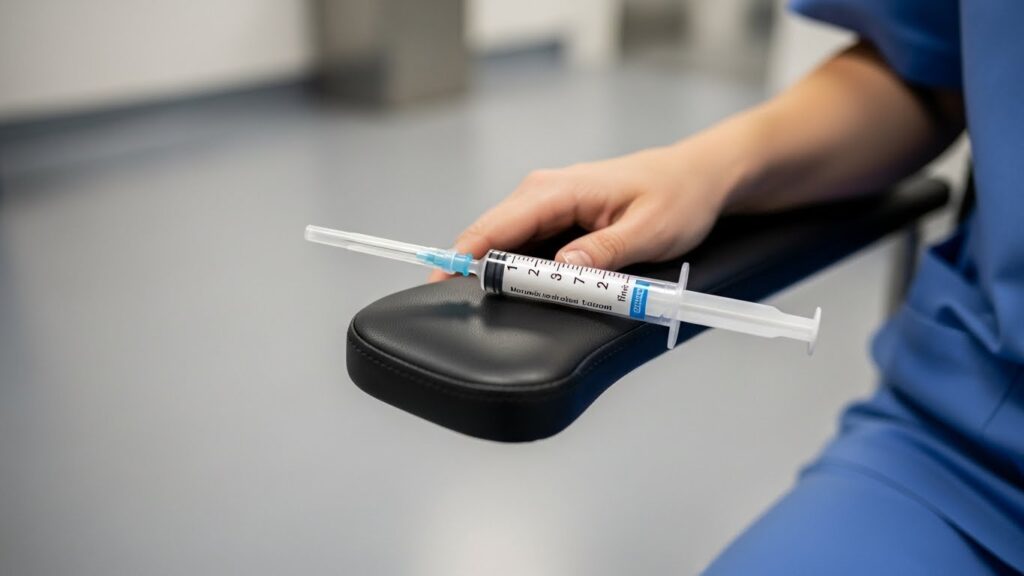
Vancomycin trough levels are measured through a blood test. Healthcare providers typically order the test about 30 minutes before the next dose of vancomycin is scheduled. A blood sample is drawn, and the level of vancomycin is measured using high-performance liquid chromatography (HPLC) or immunoassay techniques.
Vancomycin Trough Level Before the 4th Dose: Why It’s Crucial
The reason for checking the vancomycin trough level before the 4th dose is that by this time, the drug should have reached a steady-state concentration in the bloodstream. This gives the most accurate picture of how much vancomycin is circulating and whether it’s in the optimal therapeutic range. It’s at this point that dosing adjustments are most effective.
What Happens if Trough Levels are Too High or Too Low?
If vancomycin levels are too high, it can cause nephrotoxicity, leading to kidney damage. Symptoms of kidney toxicity include decreased urine output, swelling, and increased blood pressure.
If the trough level is too low, the drug may not be effective, resulting in treatment failure, prolonged infection, or even bacterial resistance. For example, if the target trough is not met, the infection might persist, or the bacteria may adapt and become harder to treat with vancomycin.
Factors That Influence Vancomycin Trough Levels
Several factors can affect the measurement of vancomycin trough levels, including:
-
Kidney function: Impaired kidney function can lead to higher drug concentrations because the drug is not cleared from the body as efficiently.
-
Weight and body composition: Larger patients may require higher doses.
-
Co-administration with other medications: Certain drugs, like nephrotoxic medications, can increase the risk of vancomycin toxicity.
Adjusting Vancomycin Doses Based on Trough Levels
If the vancomycin trough level is too high or too low, the dosage may need to be adjusted. Healthcare providers will:
-
Increase the dose or frequency if the trough is too low.
-
Decrease the dose or increase the interval between doses if the trough is too high.
These adjustments ensure the drug stays within the therapeutic range for optimal effectiveness and safety.
Common Vancomycin Trough Level Targets
The general target for vancomycin trough levels is 10-20 mcg/mL, depending on the infection:
-
For moderate infections: 10–15 mcg/mL
-
For severe infections, such as endocarditis: 15–20 mcg/mL
Conclusion
Monitoring vancomycin trough levels before the 4th dose is crucial in optimizing the drug’s effectiveness and minimizing the risks of toxicity. Regular blood tests and careful dosage adjustments based on these levels ensure that the medication is used safely and efficiently. By adhering to best practices in monitoring vancomycin levels, healthcare providers can help patients recover from severe bacterial infections while avoiding complications.
FAQs
-
Why is it important to measure vancomycin trough levels?
Measuring trough levels ensures that the drug remains within the therapeutic range, preventing both toxicity and treatment failure. -
When should vancomycin trough levels be measured?
Vancomycin trough levels are typically measured before the 4th dose of the drug to ensure the levels are steady and within the target range. -
What happens if the vancomycin trough level is too high?
If the trough level is too high, it can cause nephrotoxicity, leading to kidney damage and other complications. -
What is the target trough level for vancomycin?
The typical target range for vancomycin trough levels is 10–20 mcg/mL, depending on the severity of the infection. -
How is vancomycin trough level measured?
Vancomycin trough levels are measured through a blood test, usually drawn just before the next scheduled dose.