
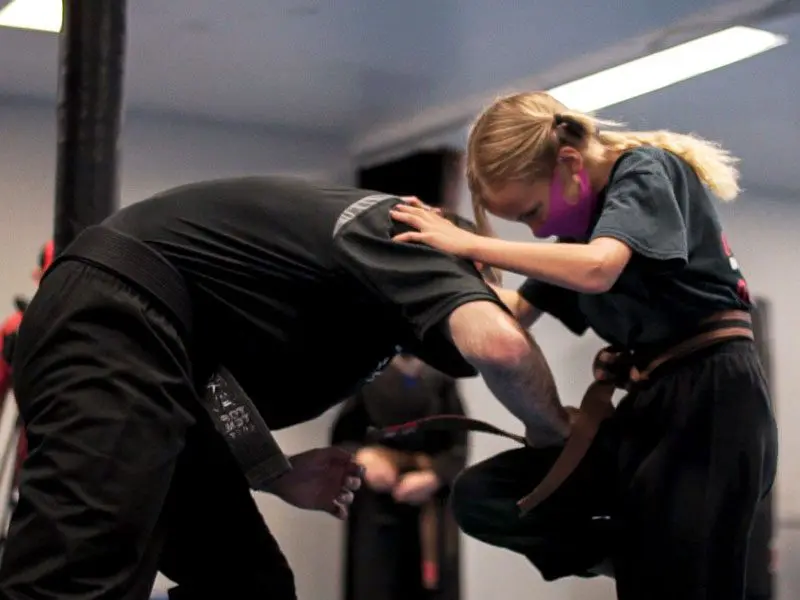
Teenagers today face a completely different world compared to what previous generations experienced. Academic pressure, social media influence, emotional challenges, self-image concerns, and the need for self-discipline make the teenage years more demanding than ever. With so much going on, teens need guidance, structure, and positive outlets—and that’s exactly where martial arts steps in. A structured martial arts program provides teens with a foundation for physical strength, emotional resilience, discipline, and personal growth that can shape their futures.
Many parents looking to support their teen’s development turn to programs like krav maga for Teens, where teens learn life skills that go far beyond punches and kicks.
The Role of Structure in Teen Development
Structure plays a major role in shaping a teen’s behavior and mindset. During adolescence, teens are discovering who they are, exploring their independence, and trying to understand their place in the world. Martial arts programs provide a balanced mix of discipline and freedom, allowing teens to express themselves while learning responsibility and self-control.
Structured classes teach them how to follow instructions, respect boundaries, and work hard to achieve goals. These skills naturally spill into school environments, social interactions, and future career paths.
Building Confidence in a Healthy Way
Teenagers often struggle with confidence, especially with constant comparisons on social media. Martial arts offer an environment where teens focus on their own progress rather than measuring themselves against others. Every technique they learn and every improvement they make boosts their self-worth.
When a teen finally perfects a technique they once struggled with, that sense of achievement builds long-lasting confidence. They begin to understand that success comes from perseverance, and this lesson becomes a powerful tool in life.
Discipline That Feels Empowering, Not Restrictive
One of the biggest benefits of structured martial arts is the discipline it teaches. But this isn’t the kind of discipline that feels controlling or restrictive. Instead, it empowers teens to become accountable for their actions.
Through consistent training, teens learn:
- The value of showing up
• The importance of practice
• How to stay committed
• How to control emotions under pressure
This type of discipline helps teens make smarter decisions in life, especially during moments when they might feel overwhelmed or influenced by peers.
Physical Fitness That Teens Actually Enjoy
Teens today struggle with physical inactivity due to increased screen time. Martial arts provide an exciting alternative to boring gym workouts. The dynamic movements, partner drills, and challenges keep teens motivated and engaged.
Training helps teens improve:
- Balance
• Coordination
• Strength
• Flexibility
• Endurance
And because the workouts feel like learning rather than exercising, teens stay consistent without feeling forced.
Improved Focus and Academic Performance
Martial arts require mental concentration. Teens must remember sequences, read their partner’s movements, and stay focused in real time. This mental discipline naturally enhances their ability to concentrate in school.
Over time, teens become more organized, more attentive, and more confident in academic settings. Parents often notice improvements in their teen’s study habits and classroom behavior as martial arts training progresses.
Character Development Through Responsibility
Structured martial arts classes encourage teens to take ownership of their behavior. They learn how their actions impact their peers, how to be a reliable training partner, and how to manage responsibility as they advance.
This kind of accountability helps teens mature emotionally. They start to recognize the value of integrity, teamwork, and respect—qualities that shape them into well-rounded young adults.
A Safe and Supportive Environment
The teenage years are filled with emotional ups and downs. Martial arts schools provide a safe, structured, and supportive environment where teens can express themselves without judgment. Instructors guide them with patience, understanding, and clear communication.
Teens also build healthy friendships with peers who share similar goals. These positive relationships give them a sense of belonging and community, which is essential during adolescence.
Self-Defense Skills That Build Real Confidence
One major reason parents enroll their teens in martial arts is self-defense. Teenagers today need to feel safe, capable, and confident in their ability to protect themselves if necessary.
Styles like Krav Maga are especially effective because they focus on real-world protection using simple, instinctive movements. Teens learn how to avoid danger, react quickly, and defend themselves against real-life threats.
These skills aren’t just physical—they build mental confidence too. Knowing you can protect yourself changes the way you walk, think, and interact with the world.
Reducing Stress and Emotional Pressure
Teenagers deal with a lot of mental pressure. Martial arts offer an outlet to release stress in a healthy way. Training helps them channel their emotions, breathe more effectively, and manage frustration.
Regular practice reduces anxiety by:
- Improving mood
• Increasing energy levels
• Encouraging mindfulness
• Teaching emotional control
With every class, teens learn to let go of stress and focus on the present moment.
Encouraging Healthy Social Skills
Many teens struggle with communication and social confidence. Martial arts naturally help them interact with peers, instructors, and new people in structured ways. They learn how to work as a team, support others, and show respect.
These social skills help teens develop healthier relationships both inside and outside the martial arts school.
Goal Setting and Achievement
In martial arts, progress is measured through belt levels, skill improvement, and personal milestones. Teens learn how to set goals, work toward them, and celebrate small victories along the way.
This teaches valuable life lessons:
- Hard work leads to results
• Progress takes time
• Persistence pays off
• Failure is part of growth
These concepts become part of their mindset as they mature.
Improving Emotional Control and Decision-Making
Teenagers often face situations where emotions can lead to impulsive decisions. Martial arts teach teens how to stay calm, think clearly, and respond instead of reacting. Through training, they understand their emotions better and learn how to manage them.
This emotional balance carries over into school, friendships, and home life.
Why Structured Programs Work Better Than Casual Training
While casual training can be fun, structured martial arts programs offer consistent routines, goal-based learning, and a stable environment—all of which teens need. Structure helps them stay committed, progress steadily, and maintain accountability.
The routines also teach time management as teens balance training with school and personal life.
A Lifelong Foundation of Positive Habits
When teens build discipline, confidence, resilience, and responsibility early in life, these habits stay with them into adulthood. Martial arts help create a strong foundation that supports personal and professional success later on.
It’s not just self-defense or fitness—it’s long-term character development.
You can help your teen experience these benefits firsthand by exploring programs such as krav maga for Teens to give them a structured environment that supports emotional, mental, and physical growth.
Conclusion
Structured martial arts programs are powerful tools for teen development. They offer discipline, physical fitness, emotional strength, confidence, and real-world self-defense skills. More importantly, they provide a safe and supportive environment where teens can grow, learn, and thrive. With every class, teens build lifelong habits that shape their future success. If you’re looking for a way to help your teen become stronger inside and out, martial arts is one of the best decisions you can make.
FAQs
- Is martial arts training safe for teens?
Yes, structured programs are designed to protect teens with supervised instruction and proper techniques. - Can martial arts help my teen with confidence?
Absolutely. As teens improve their skills, their self-esteem naturally grows. - Will martial arts improve my teen’s academic performance?
Many parents observe better focus, discipline, and study habits after consistent training. - Which martial art is best for teen self-defense?
Krav Maga is one of the most effective for real-world protection. - Do teens need prior experience to join?
Not at all. Beginners are guided step-by-step from day one.