

Caffeine is a cornerstone of many pre-workout routines, prized for its ability to sharpen focus and boost perceived energy. This stimulant effect can be particularly appealing for shoulder workouts, which often demand high mental engagement and sustained muscular effort for exercises like overhead presses and isolation moves. The critical question isn’t just whether caffeine helps, but when it helps. Timing your intake relative to your training session is essential to ensure the peak of its effects aligns with the peak of your effort.
To harness caffeine effectively for shoulder training, you need a clear understanding of its pharmacokinetics—how long it takes to kick in, how long its primary effects last, and how it eventually clears from your system. This knowledge allows you to strategically fuel your deltoid workouts, potentially improving performance, endurance, and even the quality of your mind-muscle connection during precise movements. Mis-timing your intake can leave you feeling jittery during your warm-up or crashing midway through your working sets.
This article will break down the timeline of caffeine’s action, from ingestion to elimination. We’ll explore how this timeline interacts with the unique demands of shoulder training, provide practical scheduling strategies, and examine how individual factors can alter your personal caffeine curve. The goal is to equip you with the information to synchronize your energy levels with your lifting schedule, maximizing the benefit of this common stimulant for one of the body’s most complex muscle groups.
The Science of Caffeine Metabolism and Duration
Caffeine is absorbed quickly from the stomach and small intestine, entering the bloodstream and reaching peak concentrations typically within 30 to 60 minutes after consumption. This is when most people feel its strongest stimulant effects: increased alertness, reduced perception of fatigue, and a potential uplift in mood. The primary mechanism is its antagonism of adenosine receptors in the brain, blocking the neurotransmitter that promotes sleepiness and relaxation.
The compound’s half-life—the time it takes for the body to reduce its concentration by half—averages around 5 to 6 hours in a healthy adult. This means that 5 hours after your peak blood concentration, roughly half the caffeine is still active in your system. Total elimination can take considerably longer. Understanding how long does caffeine last is fundamental to planning. The energizing effects you seek for a workout are most potent during the first 2 to 3 hours after peak absorption, a window that should ideally cover your entire training session, including warm-up and cool-down.
Individual variability plays a massive role. Genetics, liver function, habitual intake, body mass, and even the presence of food in your stomach can shorten or extend this duration. A regular coffee drinker might metabolize caffeine faster and feel a shorter boost, while someone more sensitive might experience effects for a longer period. This variability underscores why generic timing advice fails; you must observe your own responses to dial in your perfect pre-workout schedule.
Why Timing Matters for Shoulder Training
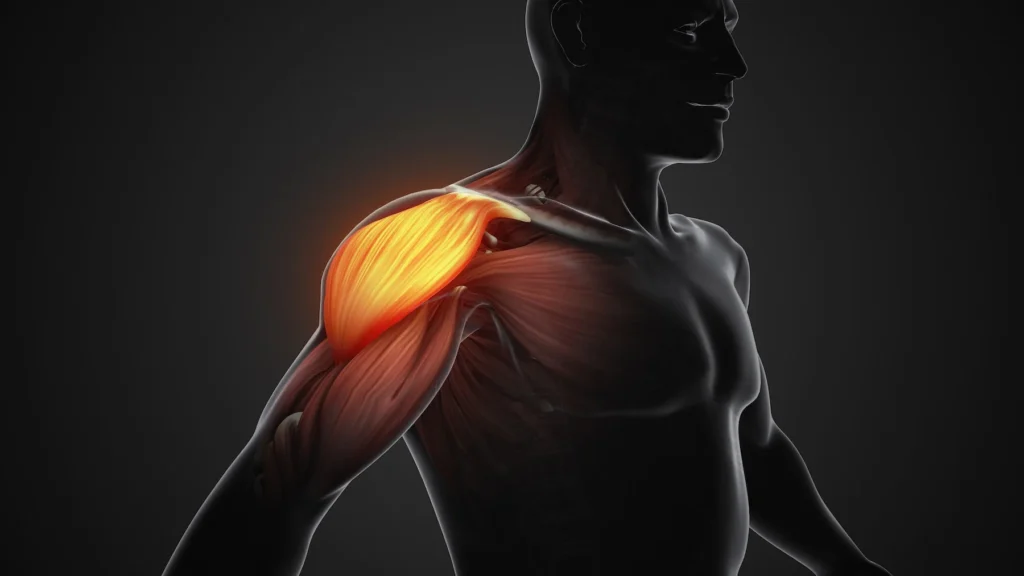
The shoulder musculature, primarily the deltoids, is involved in almost every upper-body movement. Training them effectively often requires a blend of compound lifts for power and isolation exercises for detail and symmetry. Exercises like lateral raises are a prime example. They target the lateral deltoid head with precision, demanding significant focus to maintain strict form, avoid swinging, and achieve the full range of motion under tension.
This need for sustained concentration and control makes the cognitive benefits of caffeine—sharpened focus and reduced mental fatigue—especially valuable. If caffeine peaks during your warm-up and begins to wane as you start your heavy sets or finisher exercises, you’ll miss its primary benefit. Conversely, if you consume it too late, you might enter your workout before it’s fully active, or you could experience disruptive side effects like gastrointestinal issues or anxiety during your session.
Furthermore, shoulder workouts can be deceptively taxing. The deltoids are smaller muscles compared to the quads or back, but they are often trained with higher volume and frequency. The cumulative fatigue requires resilience. Caffeine’s ability to lower the perception of effort can help you push through that final few reps of a challenging set, potentially contributing to better hypertrophy outcomes. Aligning the drug’s ergogenic window with the most demanding portion of your workout is a simple yet powerful performance strategy.
The Delicate Balance: Energy vs. Jitters
A poorly timed caffeine dose can undermine your shoulder session. Taking it too close to your workout might leave you dealing with nervousness or a racing heart as you attempt to stabilize a heavy barbell overhead—a dangerous scenario. Taking it too far in advance might mean you feel the diuretic effect mid-session, disrupting your hydration, or you simply lose the mental edge before you finish.
The goal is to achieve a state of energized calm: focused alertness without physical tremors or anxiety. For precision-based shoulder work, any jitteriness can directly compromise form, increase risk of injury, and reduce movement quality. Finding your personal timing sweet spot mitigates this. It allows the cognitive enhancement to shine while minimizing the physical side effects that could sabotage your technique.
Crafting Your Pre-Shoulder Workout Caffeine Schedule
Based on the average metabolic timeline, a practical rule of thumb is to consume your caffeine source approximately 60 minutes before you begin your shoulder workout. This should allow you to hit the gym as the effects are ascending to their peak, ensuring that the strongest boost covers your main lifting sets. For a typical 60-75 minute session, this timing means caffeine support throughout.
Consider the format of your caffeine. A quickly absorbed source like a shot of espresso or a caffeine pill might have a sharper onset, allowing you to consume it 45 minutes prior. A slower-release source, like a cup of coffee consumed with a meal, might require a longer lead time of 75 minutes. Experimentation is key. Note your energy levels at the start of your warm-up, during your heaviest compound lift (like an overhead press), and during your finisher isolation sets.
Adjusting for Individual Factors and Workout Structure
Your personal schedule must account for several variables. If you are a habitual consumer, you might need to consume caffeine closer to your workout to feel a pronounced effect, as your baseline tolerance is higher. If you are sensitive or rarely consume it, you might need to allow more time for it to build smoothly and avoid a sudden, jarring onset.
Also, structure your timing around the focus of your session. If your shoulder day starts with heavy, low-rep compound movements, you want caffeine’s peak to coincide with that strength-focused block. If your routine is more volume-oriented, starting with higher-rep sets and ending with burn-out isolations, you might prefer the peak to arrive slightly later to help you fight through the muscular fatigue of the later sets. Your caffeine timing is a tool you can adjust based on your workout’s priority.
Beyond Caffeine: Holistic Energy Management for Shoulders
While caffeine is a useful tactical tool, relying on it as your sole energy source is a mistake. Consistent shoulder performance and growth are built on foundational habits: adequate nightly sleep, balanced nutrition with sufficient carbohydrates and protein, and strategic hydration. A well-fueled body will respond better to both the workout and the caffeine, making the stimulant’s effects more effective and consistent.
Pre-workout nutrition also plays a direct role. A small meal or snack containing carbs about 90-120 minutes before training provides glycogen for muscular fuel. This nutritional energy works synergistically with caffeine’s neurological effects. You’re not just feeling more alert; your muscles have more substrate to perform the work. For shoulder days, this can mean better endurance during long sets of lateral raises or more stability during presses.
Finally, consider the psychological element of “energy.” A well-planned routine, clear goals for the session, and even a purposeful warm-up can generate significant mental engagement and drive. Caffeine should augment this intrinsic motivation, not replace it. View it as one component in a broader system designed to optimize your performance under the bar.
Frequently Asked Questions
How long before my shoulder workout should I take caffeine?
For most individuals, consuming caffeine approximately 60 minutes before beginning your workout is optimal. This timing aims to have you starting your warm-up as the effects rise and hitting your main working sets during caffeine’s peak concentration window, which typically occurs 1-3 hours after ingestion. Adjust this based on your personal sensitivity and the form of caffeine you use.
Can caffeine improve my mind-muscle connection during lateral raises?
Yes, caffeine’s cognitive effects can enhance focus and concentration, which are critical for performing isolation exercises like lateral raises with strict form. By reducing the perception of mental fatigue, it may help you maintain better control throughout each rep, leading to more effective muscle targeting and potentially better growth outcomes over time.
What if I feel jittery during my shoulder workout after caffeine?
Feeling jittery suggests your dose was too high or your timing was too close to the workout start time. Try reducing the amount of caffeine you consume and moving your intake earlier—perhaps 75-90 minutes before training. This allows the stimulant effects to build more gradually. Also, ensure you are not consuming it on an empty stomach, which can accelerate absorption and intensify side effects.
Does caffeine help with shoulder workout endurance?
Caffeine can reduce the perception of effort and fatigue, which may allow you to sustain performance across more sets or higher reps. For shoulder workouts, which often involve cumulative fatigue from volume, this ergogenic benefit can help you complete your planned routine with better quality, especially in the latter exercises of your session.
Should I avoid caffeine for shoulder workouts if I have joint concerns?
Caffeine itself does not directly impact shoulder joint health. However, if caffeine causes you to feel overly anxious or jittery, it might compromise your form and control, potentially increasing stress on the joints. If you have existing joint concerns, focus first on impeccable technique and consider using caffeine cautiously at a lower dose to ensure it enhances focus without disrupting movement stability.
How does caffeine timing interact with pre-workout meals?
Ideally, consume a small pre-workout meal (with carbs and protein) about 90 minutes before training, and your caffeine about 60 minutes before. This staggers the energy sources: the meal provides muscular fuel, and the caffeine provides neurological activation. Taking caffeine with a large meal can slow its absorption, so if you consume them together, you may need to allow more total lead time before your workout begins.
Conclusion
Strategically timing your caffeine intake transforms it from a simple energy kick into a precision tool for shoulder training. By understanding its typical onset, peak, and duration, you can schedule your consumption to ensure its cognitive and ergogenic benefits are fully present during the most demanding portions of your session—whether that’s stabilizing a heavy overhead press or maintaining perfect form through a high-rep set of lateral raises. This synchronization maximizes the return on your effort.
Ultimately, caffeine is an adjunct, not a foundation. Its greatest value is realized when paired with solid fundamentals: proper nutrition, hydration, sleep, and a well-structured training plan. Use the timeline guidelines as a starting point, then refine them through personal observation. Pay attention to how you feel during your warm-up, your main lifts, and your finishers. That personal data will allow you to calibrate your approach, ensuring you have the energy you need for shoulders, exactly when you need it.