

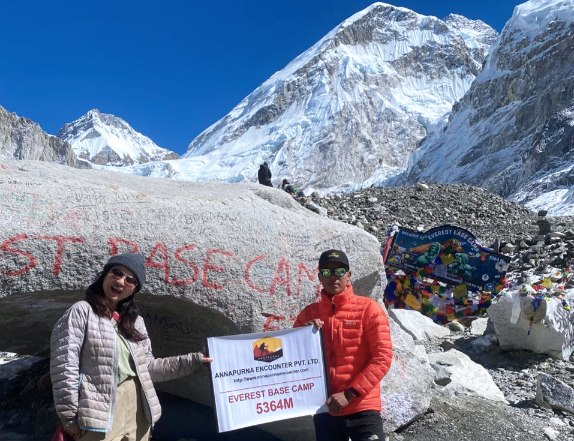
For many trekkers, a journey into the Nepali Himalayas is a once-in-a-lifetime ambition. The decision often narrows down to two legendary routes: the iconic trail to Everest Base Camp and the spectacular circuit around the Annapurna massif. Both promise breathtaking mountain vistas, rich cultural encounters, and a profound sense of achievement. Yet, they offer distinctly different experiences, challenges, and rewards.
Choosing between them isn’t about finding a “better” trek, but about identifying the right one for your fitness, timeline, budget, and personal goals. The trails differ dramatically in their physical demands, the nature of the landscapes, and the overall trekking culture. A misinformed choice can turn a dream trip into an endurance test, while the right match creates memories that last forever.
This guide provides a clear, side-by-side comparison of the Everest Base Camp Trek and the Annapurna treks. We’ll break down the key factors—from altitude and difficulty to cost and crowd levels—so you can make an informed decision with confidence.
Understanding the Core Experiences
At their heart, these treks offer different narratives. The journey to Everest Base Camp is a linear pilgrimage to the foot of the world’s highest mountain. The focus is singular and awe-inspiring: standing in the shadow of Everest. The environment is stark, high, and dominated by the monumental peaks of the Khumbu region.
In contrast, the Annapurna region offers a more topographically diverse experience. Treks like the Annapurna Circuit or the Annapurna Base Camp Trek take you through a constantly changing landscape—from lowland rice terraces and mossy rhododendron forests to arid high-altitude deserts resembling Tibet. The scenery is varied, and the cultural encounters with Gurung and Thakali communities in the foothills feel different from the Sherpa culture of the Everest region.
Comparing Difficulty and Altitude
This is the most critical differentiator for most trekkers and has the greatest impact on safety and enjoyment.
Acclimatization and Maximum Elevation
The Everest Base Camp trek is significantly higher. The trailhead at Lukla (2,860m) starts you at a notable altitude, and you will spend multiple nights above 4,000 meters. The destination, Everest Base Camp, sits at 5,364m, and most itineraries include a climb to Kala Patthar (5,545m) for the classic view. This demands a strict, well-planned acclimatization schedule over 12-14 days. The risk of Acute Mountain Sickness (AMS) is real and must be managed carefully.
Annapurna treks generally reach lower maximum altitudes. The Annapurna Circuit’s highest point, Thorong La Pass, is a formidable 5,416m, but the trek approaches it more gradually over a longer period (typically 16-21 days). The Annapurna Base Camp Trek tops out at around 4,130m. The lower overall altitude profile makes AMS less of a constant concern, though proper acclimatization on any high-altitude route remains non-negotiable.
Physical Demand and Trail Conditions
The physical challenge of the Everest Base Camp Trek is defined by sustained altitude. While the daily ascents are often manageable, doing them with less oxygen is what wears you down. The trail itself is well-trodden and clear.
The classic Annapurna Circuit involves longer walking days and a greater total distance, but often at more moderate gradients until the pass crossing. The variety can be easier on the body, though the full circuit is a longer commitment. The trail conditions are more varied, from paved roads in the lower sections to rugged mountain paths.
Scenery and Cultural Highlights
Your visual and cultural rewards will differ greatly between regions.
The Everest region is a world of glacial valleys, moraines, and towering rock and ice giants. The vistas are raw and powerful, dominated by peaks like Everest, Lhotse, Nuptse, and Ama Dablam. The culture is deeply Sherpa, with ancient monasteries like Tengboche and ubiquitous prayer flags and mani walls.
The Annapurna region serves a panoramic feast. You’ll see the entire Annapurna massif, Dhaulagiri, Machhapuchhre (Fishtail), and Nilgiri. The landscapes shift from subtropical jungles teeming with birds to the arid, wind-swept plateau of the Upper Mustang region on the circuit. The cultural tapestry includes Hindu and Buddhist villages, with opportunities to visit local homes and experience diverse traditions.
Logistics: Access, Cost, and Trekking Style
How you get there and what you spend are practical deciding factors.
Access: Reaching the Everest region requires a flight from Kathmandu to Lukla, a famous and sometimes weather-delayed adventure. The Annapurna region is generally accessed by road from Pokhara, a 6-7 hour drive or short flight from Kathmandu, offering more flexibility.
Teahouse Infrastructure: Both regions have extensive teahouse networks. Everest trail teahouses can be more basic at higher altitudes due to the remote location, while Annapurna teahouses are often more developed, with some offering more amenities. The Everest route is more consistently busy, influencing the atmosphere.
Cost: Overall, the Everest Base Camp trek tends to be more expensive. The Lukla flight adds a fixed cost, and prices for food, lodging, and supplies increase with altitude and remoteness. Annapurna treks can be slightly more budget-friendly, especially if opting for shorter routes like the Annapurna Base Camp Trek.
Crowds and Permits
The Everest Base Camp trail is one of the most famous trekking routes on earth. During peak seasons (Spring and Autumn), the trail and teahouses can be crowded. This creates a vibrant social atmosphere but less solitude. You need two permits: the Sagarmatha National Park Entry Permit and the Khumbu Pasang Lhamu Rural Municipality Entry Permit.
The Annapurna region offers more route variety, allowing you to escape crowds if you choose less-traveled alternatives or side hikes. The classic Circuit sees many trekkers, but the area is vast. Permits required are the Annapurna Conservation Area Permit (ACAP) and the Trekkers’ Information Management System (TIMS) card.
Making Your Decision: Key Questions to Ask
To choose, honestly assess your answers to these questions:
- What is your primary goal? To stand at the base of Everest, or to experience diverse landscapes and cultures?
- How is your altitude history? If you’ve struggled with altitude before, an Annapurna trek might be a wiser first major Himalayan experience.
- What is your time frame? EBC typically requires 12-14 days on the trail. The full Annapurna Circuit requires 16-21 days, though shorter options like ABC are possible in 7-10 days.
- What’s your budget? Factor in flights, permits, guides/porters, and daily costs. Everest generally has a higher total cost.
- What kind of atmosphere do you prefer? The communal, iconic vibe of EBC or the potentially more varied and flexible experience in Annapurna?
Frequently Asked Questions
Which trek is harder, Everest Base Camp or Annapurna?
The Everest Base Camp trek is generally considered more challenging due to the sustained high altitude, which is physically demanding regardless of fitness. The Annapurna Circuit involves longer walking days and a high pass, but the more gradual altitude gain can feel easier for many. Difficulty is subjective and depends heavily on individual acclimatization.
Can I trek to Everest Base Camp without a guide?
As of recent regulations, foreign trekkers in Nepal’s national parks, including the Everest region, are required to use a licensed guide or be part of an organized tour. Independent trekking is no longer permitted. This rule enhances safety and supports the local economy.
When is the best time to trek in Nepal?
The primary trekking seasons are the pre-monsoon (March to May) and post-monsoon (late September to November). These windows offer stable weather, clear skies, and moderate temperatures. Winter (Dec-Feb) is cold but possible, especially at lower altitudes, while the monsoon (June-August) brings rain, leeches, and obscured views.
Do I need special insurance for these treks?
Absolutely. Standard travel insurance is insufficient. You require a policy that explicitly covers emergency helicopter evacuation from high altitudes (up to 6,000 meters) and treatment for acute mountain sickness. Verify these details in your policy’s fine print before you depart.
Is altitude sickness a guarantee on these treks?
No, it is not a guarantee, but it is a common risk that must be respected. Proper acclimatization—gaining altitude slowly, taking scheduled rest days, staying hydrated, and listening to your body—dramatically reduces the likelihood. Anyone, regardless of fitness, can be affected by AMS.
Can I combine both treks in one trip?
Logistically, completing both full treks in one Nepal visit is demanding due to the time required (over a month) and the significant travel between regions (flight to Lukla, then travel to Pokhara). A more feasible option for time-limited travelers is to do a shorter trek in one region and add a sightseeing tour or shorter hike in the other.
Conclusion
Choosing between the Everest Base Camp and Annapurna treks ultimately comes down to personal preference and preparedness. If your dream is defined by a singular, iconic destination and you are prepared for the rigors of high altitude, the journey to Everest Base Camp is unparalleled. It is a tough, rewarding pilgrimage to the top of the world.
If you seek greater scenic variety, more flexible itineraries, and a slightly less intense altitude profile, the Annapurna region delivers an incredibly rich Himalayan experience. Its diverse landscapes and deep cultural immersion make it a favorite for many return trekkers.
Whichever path you choose, thorough preparation is your key to success. Invest time in physical training, understand the risks of altitude, secure the proper permits and insurance, and consider supporting the local economy by hiring a guide or porter. Your Himalayan adventure, whether in the shadow of Everest or amidst the peaks of Annapurna, will be a defining journey.