

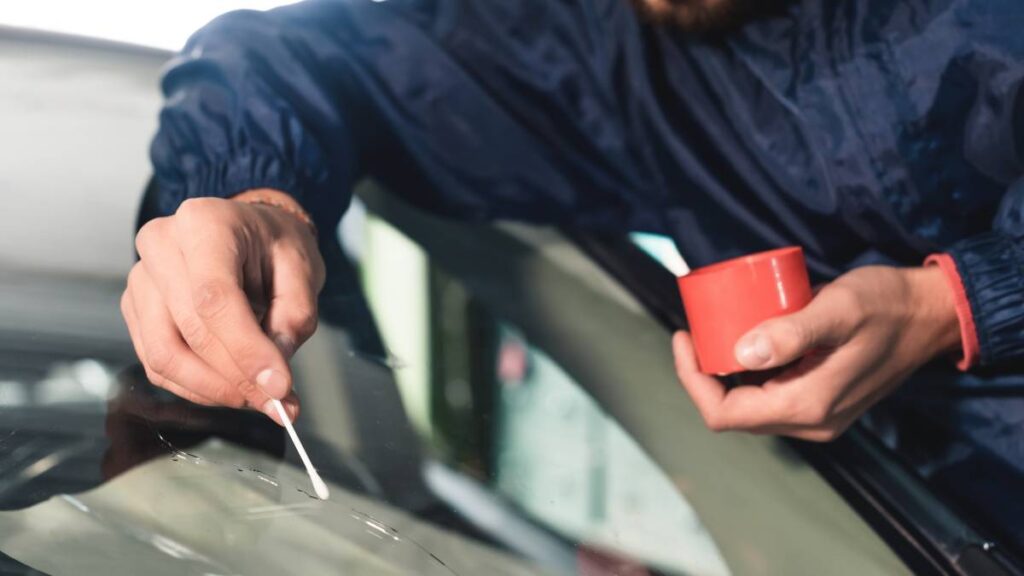
A cracked or damaged windscreen is more than an eyesore; it’s a safety hazard and a potential legal issue. In Sydney, where road conditions and weather can vary dramatically, addressing glass damage promptly is non-negotiable. However, the quoted price for a repair or full replacement can vary by hundreds of dollars. Simply choosing the cheapest quote can lead to subpar materials, improper installation, and future problems.
To make a sound financial decision, you need to understand what drives the final invoice. The cost isn’t arbitrary—it’s calculated based on specific, tangible variables related to your vehicle, the glass itself, and the service provider. By breaking down these factors, you can evaluate quotes with confidence, ensuring you pay a fair price for a safe, lasting repair.
This guide will walk you through the primary elements that influence the price of auto glass replacement in Sydney, from the type of glass and vehicle technology to labour practices and hidden fees. Knowing these details empowers you to ask the right questions and select a service that offers genuine value.
The Core Variables: Glass Type and Vehicle Specifications
The most significant determinants of cost are the glass component itself and the vehicle it’s designed for. These are fixed costs for the service provider, which are then passed on to you.
Type of Glass and Its Features
Not all automotive glass is created equal. A standard, flat windscreen for an older model sedan is far less expensive than a complex, curved one for a modern luxury vehicle. Furthermore, many contemporary windscreens are “acoustic” or “solar,” featuring a special vinyl layer to reduce road noise and block UV rays. Glass with embedded heating elements for de-icing or with advanced rain-sensing technology also carries a premium. The more features integrated into the glass, the higher the replacement cost.
Vehicle Make, Model, and Year
The availability and cost of parts are directly tied to your vehicle. Common models from high-volume manufacturers like Toyota, Hyundai, or Ford typically have readily available, competitively priced glass. Replacement glass for European luxury cars, rare imports, or brand-new models can be more expensive and harder to source, increasing both the part cost and potential wait time. The vehicle’s year also matters, as glass for discontinued models may need to be sourced from specialised suppliers.
Labour and Service Model: Mobile vs. Workshop
The expertise required to install auto glass correctly is substantial, and how you access that service affects the price. Labour costs encompass the technician’s skill, time, and the method of service delivery.
A mobile service, where a technician comes to your home or workplace, offers supreme convenience but often includes a call-out fee. This fee covers travel time, fuel, and the logistics of operating a mobile workshop. For a straightforward replacement, this can be an excellent value. In contrast, taking your car to a dedicated workshop might offer a slightly lower labour rate, as the technician’s tools and environment are optimised for efficiency. However, you incur the cost and time of dropping off and picking up your vehicle.
The critical factor is the installer’s certification and experience. Proper installation is vital for maintaining the structural integrity of your vehicle’s cabin and ensuring airbags deploy correctly. A lower labour cost from an uncertified provider is a false economy that risks your safety.
Calibration of Advanced Driver-Assistance Systems (ADAS)
This is a modern cost factor that many drivers overlook. Newer vehicles are equipped with Advanced Driver-Assistance Systems (ADAS) like automatic emergency braking, lane departure warnings, and adaptive cruise control. The cameras and sensors for these systems are often mounted behind or within the windscreen.
Whenever the windscreen is replaced, these systems typically require precise recalibration. This is a specialised process using manufacturer-approved diagnostic tools and targets to ensure the sensors are perfectly aligned. Failing to perform this calibration can render these safety features unreliable. This service adds to the overall cost but is an essential part of a proper windscreen replacement Sydney for any ADAS-equipped car. Always confirm if your vehicle requires it and whether the quote includes it.
Insurance Considerations and Out-of-Pocket Costs
Your insurance policy can dramatically alter your final expense. In Australia, comprehensive car insurance often includes windscreen cover, sometimes with a nil or low excess for repair or replacement. This can make the net cost to you minimal.
However, it’s crucial to understand your policy’s terms. Some insurers have preferred repairers, and using an out-of-network provider might affect your claim or excess. Furthermore, if the replacement cost is lower than your policy excess, it makes more sense to pay out-of-pocket. Always contact your insurer to understand your coverage before authorising any work. A reputable glass service will be familiar with insurance claim processes and can often handle the paperwork directly with your provider.
Material Quality and Warranty Protection
The adage “you get what you pay for” applies directly to auto glass. There are generally three tiers of glass quality: Original Equipment Manufacturer (OEM), OEM-equivalent, and aftermarket. OEM glass is made by the same company that supplied your car’s factory glass and offers a perfect fit. OEM-equivalent glass meets all original safety standards. Aftermarket glass may be cheaper but can have minor fit or optical clarity variations.
The warranty offered is a direct reflection of the provider’s confidence in their materials and workmanship. A robust nationwide warranty on both the glass and the installation seal (e.g., 5+ years) provides long-term peace of mind. A very cheap quote may come with a limited or void warranty, shifting future liability onto you if leaks or defects appear.
Additional Fees and Environmental Factors
Finally, scrutinise quotes for potential additional fees. These can include disposal charges for the old glass, fees for the use of specific urethane adhesives (which require curing time), or charges for removing complex interior trim panels. A transparent provider will outline these potential costs upfront.
The location of the service within Sydney can also influence price. Operating costs for a business in the CBD or inner suburbs are higher than in outer industrial areas, which may be reflected in their pricing. The urgency of the job—requiring a same-day or after-hours service—will also typically incur a premium.
Frequently Asked Questions
Is it cheaper to repair or replace a windscreen?
A repair is almost always less expensive than a full replacement. However, it’s only viable for small, superficial chips (typically under 5cm in diameter) that are not in the driver’s direct line of sight or at the edge of the glass. Once a crack spreads or penetrates the inner layer, replacement becomes the only safe option.
Does windscreen replacement affect my car’s resale value?
A professional replacement using quality parts should not negatively impact your car’s value. In fact, a clear, undamaged windscreen is a basic expectation. A poor-quality replacement with visible seals, leaks, or optical distortion could raise red flags for potential buyers and decrease value.
How long does a windscreen replacement take?
For a standard vehicle without complex ADAS, a mobile or workshop replacement typically takes 60 to 90 minutes for the installation itself. The adhesive then requires a curing period, usually 1-2 hours before you can drive, and often 24 hours before the car can be washed or exposed to heavy rain. ADAS calibration adds an additional 30-60 minutes.
Can I drive immediately after a windscreen replacement?
You can usually drive the car after the adhesive has initially set, which the technician will advise (often after an hour). However, you must avoid high-speed driving, slamming doors, or driving on rough roads for the period specified by the installer (often 24 hours) to allow the bond to reach full strength.
Will my insurance premium increase after a windscreen claim?
In most cases, a windscreen repair or replacement claim is considered a “no-fault” claim and should not affect your premium or no-claim bonus. It’s always best to confirm this directly with your insurer, as policy terms can vary.
What’s the risk of not recalibrating ADAS?
The risk is significant. An uncalibrated windscreen-mounted camera may misread the road, causing systems like automatic emergency braking to activate unexpectedly or fail to activate when needed. Lane-keeping assistance may not function, compromising the advanced safety features you paid for.
Conclusion
The cost of auto glass and windscreen replacement in Sydney is a composite of several clear factors: the glass part itself, your vehicle’s specifications, necessary labour, mandatory ADAS calibration, and the quality of materials and warranty. Understanding these components transforms you from a passive recipient of quotes into an informed consumer capable of discerning true value.
Ultimately, the goal is to restore your vehicle’s safety and integrity without overpaying. This means balancing cost with critical considerations like technician certification, proper calibration, and a strong warranty. By prioritising these elements, you ensure your investment secures not just a piece of glass, but your safety and peace of mind on every Sydney road, from the Harbour Bridge to the Western Motorway.