

For fleet managers in the concrete and waste industries, unscheduled downtime isn’t just an inconvenience—it’s a direct hit to profitability. Every hour a truck is off the road represents lost revenue, missed deliveries, and ballooning overtime costs. While many factors contribute to mechanical failures, the quality and origin of replacement parts play a decisive role. A strategic shift toward genuine OEM (Original Equipment Manufacturer) components, specifically for critical equipment, is one of the most effective preventative measures a fleet can take.
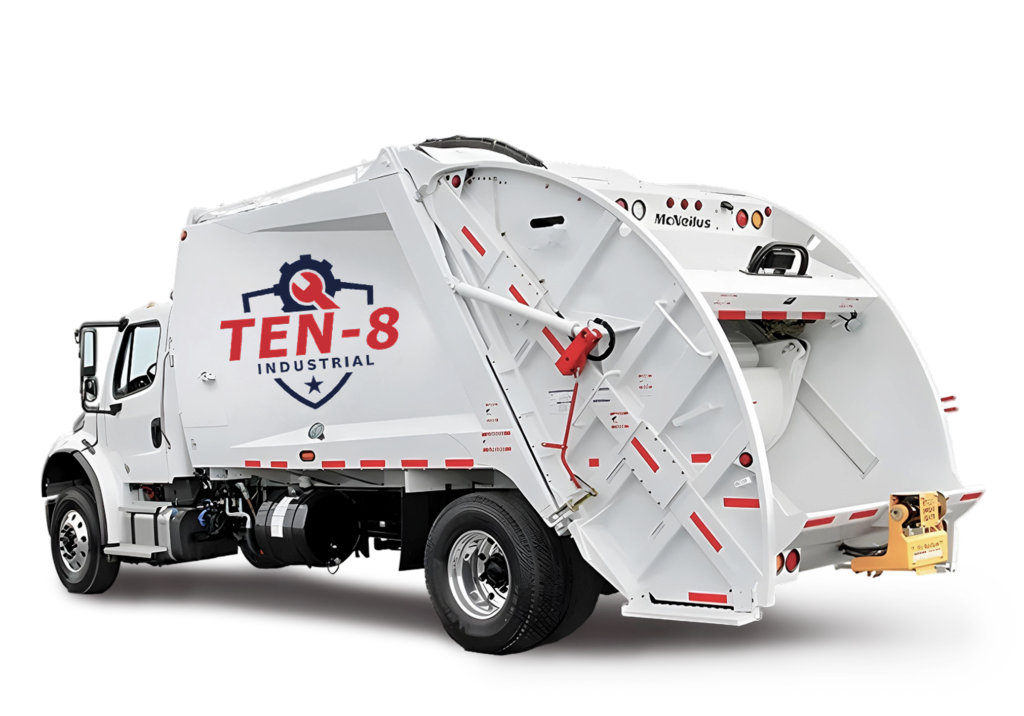
This focus on OEM parts is particularly crucial for specialized vehicles like McNeilus front discharge and rear load refuse trucks. These machines operate under extreme stress, with mixers churning heavy concrete or compactors processing tons of waste. Using parts not engineered for these specific demands is a gamble with your operational schedule. This article examines how McNeilus truck parts designed and built by the original manufacturer systematically reduce unplanned outages by ensuring compatibility, durability, and long-term system integrity.
The True Cost of Unscheduled Downtime
Before assessing the solution, it’s vital to quantify the problem. Unscheduled downtime triggers a cascade of negative effects that extend far beyond a simple repair bill. The immediate cost includes the mechanic’s labor and the price of the part itself. However, the secondary costs are often more significant: contractual penalties for missed concrete pours or waste collection routes, the expense of renting a replacement vehicle, and the driver and crew idled while their primary asset is in the shop.
Perhaps the most pernicious cost is cumulative wear. A single non-OEM part that doesn’t meet exact specifications can cause misalignment, increased vibration, or improper pressure. This stresses adjacent components, leading to a chain reaction of failures. What begins as a “cheaper” alternator or hydraulic pump replacement can, within months, lead to damaged wiring harnesses or a failed valve bank, multiplying the initial downtime event.
How OEM Parts Prevent Common Failure Points
OEM parts are manufactured to the precise blueprints and material specifications of the original equipment. This engineering precision directly targets the root causes of premature part failure, which are common with generic alternatives.
Guaranteed Fit and Function
The most immediate advantage is guaranteed fit. McNeilus mixer drums, tailgates, and hydraulic systems are complex assemblies. A non-OEM cylinder rod or packing kit might seem similar but can have minute differences in thread pitch, seal hardness, or dimensional tolerance. These “close enough” parts force technicians to modify, shim, or overtighten during installation, creating a point of inherent weakness. An OEM part installs correctly the first time, eliminating installation-related failures that lead to quick, repeat repairs.
Material Integrity and Durability
OEM components use grade-specific metals, alloys, and composites tested for the application. For instance, the blades in a McNeilus mixer drum endure constant abrasion from aggregate. OEM blades are fabricated from the exact steel formula and hardening process required to maintain their edge and structural life. A generic blade may wear down or crack prematurely, not only failing itself but also allowing concrete to build up and unbalance the drum, potentially damaging the rotation mechanism.
Beyond the Part: System-Wide Reliability and Protection
The benefits of OEM parts extend beyond the component in a box. They preserve the designed performance and protection systems of the entire vehicle.
Preserving Hydraulic System Harmony
Hydraulic systems are the lifeblood of refuse and concrete trucks, powering everything from packing blades to drum rotation. These systems operate within precise pressure and flow parameters. OEM pumps, valves, and hoses are calibrated to work in concert. Introducing a non-OEM valve with a slightly different flow rate can create pressure spikes or drops, starving one function while overwhelming another. This imbalance reduces efficiency, increases heat, and leads to the premature failure of other, more expensive OEM components still in the system. Using genuine McNeilus parts ensures the hydraulic circuit operates as a synchronized, reliable unit.
Maintaining Warranty and Support Coverage
Many fleet assets are covered under manufacturer warranties or extended service agreements. Using non-OEM parts for repairs can void these contracts. If a non-genuine pump fails and causes subsequent damage to the truck’s hydraulic manifold, the manufacturer may deny warranty coverage for the entire repair, leaving the fleet to absorb a cost that far outweighs any initial savings on the part. OEM parts protect your investment and maintain access to technical support and diagnostic resources from the manufacturer.
Implementing an OEM-First Procurement Strategy
Adopting an OEM-focused approach requires a shift in procurement philosophy, from viewing parts as commodity expenses to seeing them as investments in uptime.
Begin by identifying critical wear items specific to your McNeilus fleet—such as hydraulic cylinder seals, packing blades, water system valves, and electrical components for control systems. Mandate OEM sourcing for these high-impact parts. Develop a relationship with a trusted distributor that specializes in OEM inventory and can provide detailed part cross-references and technical guidance. This partnership is more valuable than simply finding the lowest online price.
Track your data. Compare the mean time between failures (MTBF) for OEM versus aftermarket parts on similar components. Document not just the part cost, but the total cost of ownership, including labor hours for installation and any associated collateral repairs. This data provides the financial justification for the OEM-first policy and helps refine which components are non-negotiable for OEM sourcing.
Frequently Asked Questions
What is the main difference between OEM and aftermarket McNeilus parts?
OEM (Original Equipment Manufacturer) parts are made by or for McNeilus to their exact specifications for fit, material, and performance. Aftermarket parts are produced by third-party companies to “fit” a range of applications but often vary in quality, dimensions, and material composition, which can compromise reliability and system harmony.
Can using non-OEM parts really void my truck’s warranty?
Yes, it is a common condition. If a failure can be attributed to the installation of a non-genuine part, the manufacturer may deny warranty coverage for the related repair. This risk is especially high for core systems like hydraulics and electrical controls. Always review your warranty terms and consult your dealer before using non-OEM components.
Are OEM parts always more expensive than aftermarket?
While the upfront purchase price is often higher, the total lifecycle cost of an OEM part is frequently lower. This calculation includes longer service intervals, reduced risk of collateral damage to other components, less frequent repeat repairs, and the avoidance of downtime costs. The initial premium buys predictability and reliability.
How can I ensure I’m getting genuine OEM parts?
Purchase through authorized McNeilus dealers or established, reputable industrial distributors that are certified to supply OEM components. Be wary of parts marketed as “OEM-equivalent” or “meets OEM specs,” as these are not genuine. Genuine parts will typically come in branded packaging with a legitimate part number.
Is it ever acceptable to use a non-OEM part on a McNeilus truck?
For non-critical, generic components like standard light bulbs or certain universal fittings, a high-quality aftermarket option may be acceptable. The rule of thumb is to use OEM for any part integral to the core mixing, compacting, hydraulic, or control systems. When in doubt, consult your service manual or a trusted technician.
Do OEM parts last longer?
Engineered for the specific stress and duty cycle of the equipment, OEM parts generally provide a longer, more predictable service life. Their precise fit and material quality reduce the wear-and-tear factors that cause aftermarket parts to fail prematurely, leading to fewer unscheduled removals and replacements.
Conclusion
Unscheduled fleet downtime is a complex problem, but one of its most controllable variables is part quality. For McNeilus trucks, whose revenue-generating function depends on specialized, high-stress systems, opting for genuine OEM components is a strategic operational decision. It directly addresses failure at the source by ensuring perfect fit, superior material durability, and the preservation of entire system integrity. The choice transcends a simple line-item on a repair order; it is an investment in asset predictability.
The consistent use of OEM McNeilus parts builds a foundation of reliability that schedules can be built upon. It transforms maintenance from a reactive, costly scramble into a proactive, planned function. In an industry where reliability is the currency of customer trust and operational efficiency, specifying OEM is not an expense—it is a direct and powerful method for safeguarding uptime, protecting warranty assets, and ultimately, securing the bottom line.