

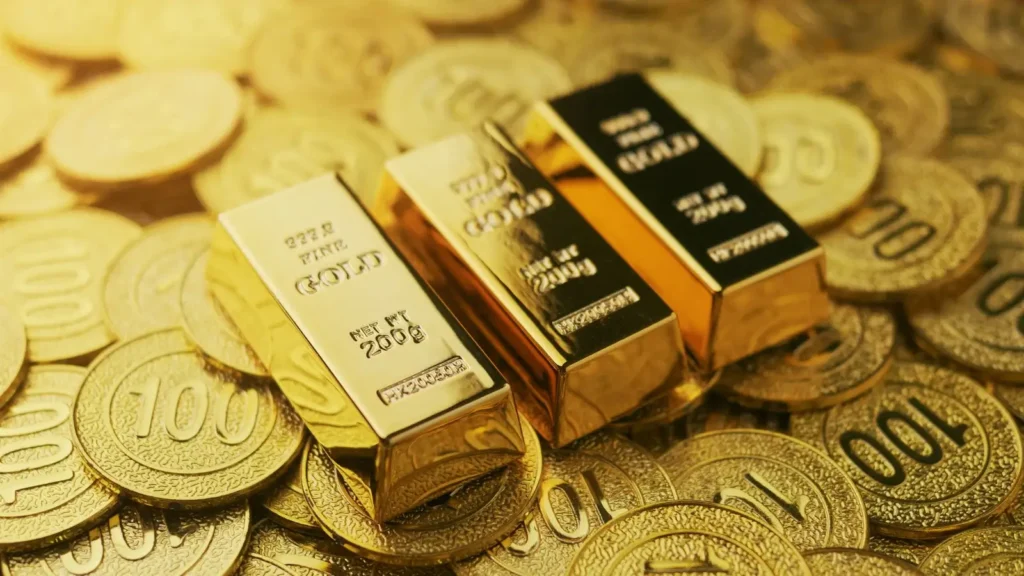
Selling gold jewelry, coins, or bullion can be a straightforward way to access significant funds. Whether prompted by a financial need, a desire to declutter, or simply capitalizing on high gold prices, the process requires more than just finding the nearest buyer. Your goal is to convert your assets into cash quickly and safely, ensuring you receive fair market value without unnecessary risk.
This guide provides a step-by-step framework for the entire transaction. We’ll explain how to accurately assess what you have, identify reputable buyers, navigate the selling process, and secure the best possible price. By understanding the key factors that influence payout and the common pitfalls to avoid, you can approach the sale with confidence.
Understanding What You Have: The First Step to Value
Before contacting any buyer, you must know exactly what you’re selling. Gold items are not valued solely on weight; their purity, form, and condition all dramatically impact the final offer.
Start by gathering all your items. Separate gold jewelry from gold coins, bullion, or dental gold. Look for karat marks stamped on jewelry, such as 10k, 14k, 18k, or 22k. These stamps indicate gold purity, with 24k being pure gold. A 14k piece, for example, is 58.3% gold. Coins and bullion typically have their purity and weight clearly marked. Items without stamps may still be gold, but they will require testing.
Don’t rely on sentimental value or original retail price. The market pays for the precious metal content, not the brand or design (unless it’s a rare collectible). Weigh your items using a precise digital scale, noting the weight in grams or troy ounces. This preliminary knowledge prevents you from being low-balled and forms the basis for comparing offers.
How Gold Buyers Determine Your Payout
Professional buyers use a standard calculation to determine their offer. They start with the current “spot price” of gold—the live market price per troy ounce for pure (24k) gold. This price fluctuates throughout the trading day.
The buyer then calculates the pure gold content of your item. For a 10-gram piece of 14k gold, they determine the melt value: (10 grams) x (58.3% purity) x (current spot price per gram). This melt value represents the raw material worth. No legitimate buyer will pay 100% of melt value, as they must account for refining costs, business overhead, and a modest profit margin. The best Cash for Gold services are transparent about this, offering a high percentage of the melt value—often between 70% and 90% for common items.
The final offer is influenced by the item’s form. Bullion and common coins closest to spot price typically command the highest percentages. Jewelry may fetch slightly less due to alloyed metals and the labor needed to process it. Unique or antique pieces with numismatic or collectible value can sometimes exceed melt value, but this is the exception, not the rule.
Choosing the Right Buyer: Options Compared
Your choice of buyer is the single biggest factor in achieving a quick, safe, and profitable sale. Each option has distinct advantages and trade-offs.
Local Jewelry Stores and Pawn Shops
Walking into a local establishment offers immediate, in-person appraisal and instant payment. You can often negotiate and get a feel for the buyer’s reputation. The downside is that offers can vary wildly, and overhead costs for brick-and-mortar stores can result in lower payouts. Always get multiple appraisals from local buyers.
Specialized Gold-Buying Services
These are businesses, often with both physical locations and mail-in programs, that focus exclusively on buying precious metals. They frequently have more advanced testing equipment and deeper market knowledge, which can translate to more accurate, competitive offers. Their business model is built on volume, allowing for efficient operations.
Online Gold Buyers
Reputable online buyers provide convenience, especially for those not near a specialist. They send a secure kit, you mail your items (fully insured), they evaluate and make a firm offer, and you can accept or have your items returned. This process takes several days but often provides some of the Highest Payouts on Gold and Silver due to lower operational costs. The critical factor is verifying the company’s reputation through third-party reviews and the Better Business Bureau.
Refineries
Selling directly to a refinery typically requires a large volume (often several ounces) to be worthwhile. They pay closest to spot price but are not set up for small, individual consumer transactions.
The Selling Process: From Appraisal to Payment
Once you’ve selected a buyer, follow a disciplined process to protect your interests.
- Get a Detailed Appraisal: A legitimate buyer will test your gold in front of you (for in-person sales) or provide a detailed assay report for mail-in sales. They should use both acid tests and electronic testers (XRF guns) to verify purity. They should explain their testing method and the resulting purity assessment.
- Receive a Firm Offer: Based on the verified weight and purity, the buyer presents a final dollar offer. They should be able to show you the spot price they are using and explain their buy-back percentage. There should be no pressure to accept.
- Understand the Terms: Read all terms before finalizing. For mail-in services, ensure there is a no-obligation return policy if you reject the offer. Confirm how payment will be issued (check, bank wire, PayPal) and the timeline. For high-value transactions, a bank wire is often safest.
- Complete the Transaction: Upon acceptance, secure your payment. Keep a detailed receipt listing the items sold, their weights, purities, the spot price used, and the final price paid. This is for your records and potential tax purposes.
Red Flags and How to Avoid Scams
The gold-buying industry attracts trustworthy professionals but also dishonest operators. Stay safe by recognizing these warning signs.
- Pressure Tactics: Any buyer who rushes you, says the offer is only good for five minutes, or uses high-pressure sales language should be avoided.
- Lack of Transparency: A refusal to explain how the offer was calculated, show the current spot price, or allow you to witness testing is a major red flag.
- Fees and Hidden Costs: Reputable buyers do not charge appraisal fees, processing fees, or “refining” fees that are deducted from your offer. Their cost of business is built into their buy-back percentage.
- “Too Good to Be True” Offers: Offers significantly above spot price are physically impossible for standard gold items and are often a bait-and-switch tactic.
- Unsecure Practices: Never send gold via uninsured mail. Never meet a “buyer” in a private, unsecured location for a high-value transaction.
Preparing for Your Sale: A Checklist
To ensure a smooth experience, prepare with this list:
- Gather all gold items and separate them by type (jewelry, coins, etc.).
- Gently clean items with warm water and mild soap to remove dirt (do not aggressively scrub plated or fragile pieces).
- Note any visible karat stamps and weigh items separately.
- Research current gold spot prices (sites like Kitco provide live charts).
- Identify 3-5 potential buyers, including at least one local option and one reputable online service.
- Have a government-issued photo ID ready, as most legitimate buyers require it for transactions over a certain amount.
- Know your bottom-line acceptable price before you walk in or mail your kit.
Frequently Asked Questions
What is the best way to get the most cash for my gold?
The best way is to be an informed seller. Know your item’s weight and approximate purity, research the current spot price, and obtain multiple competitive offers from reputable, specialized buyers. Selling standard bullion or coins typically yields a higher percentage of spot value than selling jewelry.
How quickly can I get paid when selling gold?
Timelines vary. A reputable local jeweler or pawn shop can provide payment in minutes after an appraisal. Specialized mail-in programs take longer—typically 3 to 7 business days for your shipment to arrive, be appraised, and for an offer to be issued, with payment following shortly after acceptance.
Is it safe to mail my gold to a company?
It can be very safe, but only if you use an established, highly-reviewed company. Ensure they provide a fully insured, trackable shipping kit with a prepaid return label. The company should have a clear, no-obligation policy where you can reject their offer and have your items returned at their expense.
Do I need to pay taxes on cash from gold?
In the United States, the sale of personal gold items (like inherited jewelry) at a gain may be subject to capital gains tax if the profit is substantial. The IRS requires buyers to file a Form 1099-B for certain transactions, typically over $1,500. It is advisable to keep detailed records of your sale and consult a tax professional for guidance specific to your situation.
What’s the difference between karat and carat?
Karat (abbreviated “k” or “kt”) refers to the purity of gold, with 24k being pure gold. Carat (abbreviated “ct”) is a unit of weight used for gemstones, especially diamonds. One carat equals 200 milligrams. This is a common point of confusion when selling jewelry.
Should I sell broken or mismatched gold jewelry?
Yes. Buyers are purchasing your items for their precious metal content to be melted and refined. The condition of the jewelry—whether it’s broken, missing stones, or outdated—has minimal impact on its value, which is derived almost entirely from its weight and gold purity.
Conclusion
Turning gold into cash quickly and safely is a matter of preparation and choosing the right partner for the transaction. By understanding the value drivers of weight and purity, shopping your items to multiple credible buyers, and insisting on transparent appraisal practices, you take control of the process. The goal is not merely a fast transaction, but a secure and equitable one that reflects the true market value of your assets.
Remember that the highest offer isn’t always the best offer if it comes from a dubious source. Trust, verified reputation, and clear communication are just as valuable as the dollar amount. With the framework provided in this guide, you can navigate the market knowledgeably, convert your gold into liquid funds with confidence, and avoid the common pitfalls that cost sellers time and money.